Communications Officer
Why this role?
I chose this role because it sits at the intersection of communications, design, psychology, and public impact — the areas that most closely reflect my background, skills, and values. With an academic foundation in psychology and a professional focus on communications and engagement, the role allows me to apply behavioural insight, clear messaging, and thoughtful design to real-world challenges affecting student wellbeing. It offers both scale and responsibility, combining strategic thinking with hands-on delivery across digital platforms, campaigns, and programmes, while providing a strong foundation for progression into senior communications, marketing, or leadership roles focused on meaningful social impact.
By the numbers
250,000+
monthly views on Instagram
Top Response Rate
1200+
SOSUK Student Drug and Alcohol Survey 2024
50,000+
monthly average of engaged accounts
1,000+
participants in our Active April Challenge
Social Media
Management
The core of my role is the strategic management of the wellbeing team’s Instagram presence, representing multiple services including Support and Wellbeing, Counselling, Report & Support, and HealthyU, and ensuring clarity and consistency across a complex service landscape.
Building on a brand direction developed with an external creative agency, I evolved and expanded the visual system to create clear sub-identities for each service, making content easy to recognise and navigate within a fast-moving feed. Content balances time-sensitive information such as workshops, events, service guidance, and public health updates with year-round wellbeing campaigns designed to raise awareness and encourage behavioural change, supported by a growing library of reusable assets including interviews, giveaways, and campaign-led formats.
All activity is carefully tone-calibrated to reflect the credibility of a Russell Group institution while remaining student-relevant and platform-appropriate, resulting in hundreds of thousands of monthly views and tens of thousands of engaged accounts, and establishing Instagram as one of the University’s key channels for reaching and supporting students.
Through close collaboration across wellbeing services and wider university teams, I ensure wellbeing is treated as a visible, active priority across both digital platforms and campus life at the University of Nottingham.
Newsletter
Since joining this role, I was tasked with the development and delivery of a monthly wellbeing newsletter as a core outreach channel, designed to provide an inclusive, direct line of communication with students beyond social media platforms.
Each issue extends the HealthyU brand and voice, combining timely information on campaigns, events, surveys, and giveaways with clear wellbeing guidance, ensuring students receive consistent, trusted messaging directly to their inboxes.
Visually, the newsletter builds long-term brand recognition through the evolving HealthyU identity, including seasonal adaptations of the well-established mascot, reinforcing HealthyU’s presence within the University’s wellbeing landscape.
The channel has proven highly effective in driving engagement, playing a key role in achieving the highest response rate among UK higher education institutions for a drug and alcohol survey in 2024, and a top-five ranking nationally in 2025. Each edition also includes clear signposting to available support services, ensuring regular reminders of help pathways are embedded as part of a responsible, preventative communications approach at the University of Nottingham.
Internal
Communications
I use internal communications to coordinate and strengthen cross-university delivery of wellbeing campaigns, providing monthly updates that align teams around shared priorities and invite active collaboration. These communications are used to form and lead cross-functional working groups, distribute campaign assets for reuse across partner channels, and ensure wellbeing messaging is amplified consistently across services, schools, and faculties.
This approach has supported large-scale engagement initiatives such as the Active April Challenge, where internal promotion and asset sharing helped drive participation from over 1,000 active users, achieving an average of 9,000 steps per day, including tailored collaboration with HR to engage staff communities.
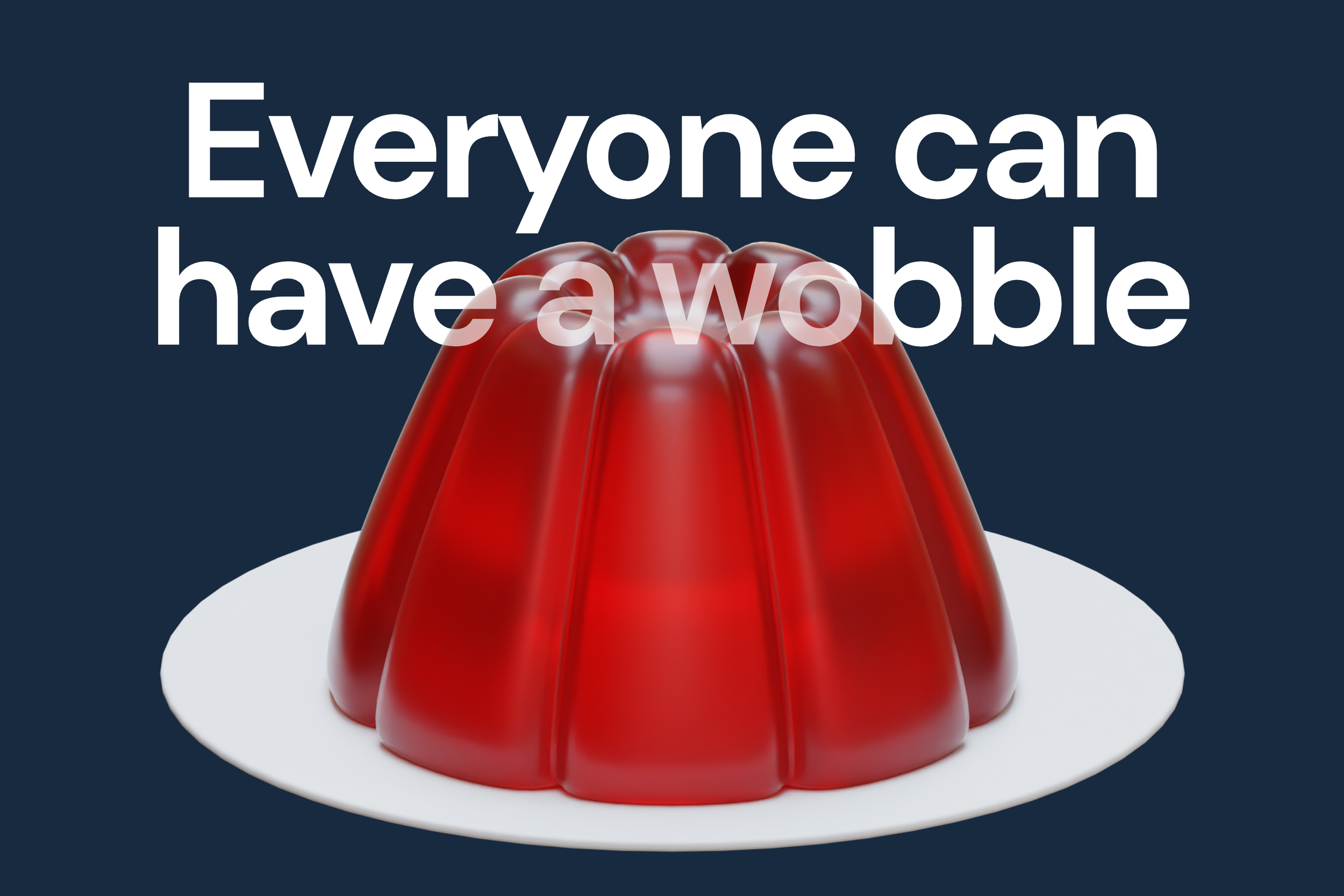
Internal communications have also been critical to the delivery of the Wobble Week campaign, originating from a high-risk period in the academic year with a marked increase in student drop-out rates driven by academic pressure, overwhelm, and loneliness. Structured internal coordination enabled institution-wide participation, allowing schools and teams to deliver their own events under an iconic jelly-themed visual identity and ensuring students across all campuses repeatedly encountered clear, consistent support messages. As a result, Wobble Week delivered over 70 events across two weeks, engaging all four campuses, every faculty, and more than 10,000 students through a coordinated, institution-wide approach.
Print & Digital
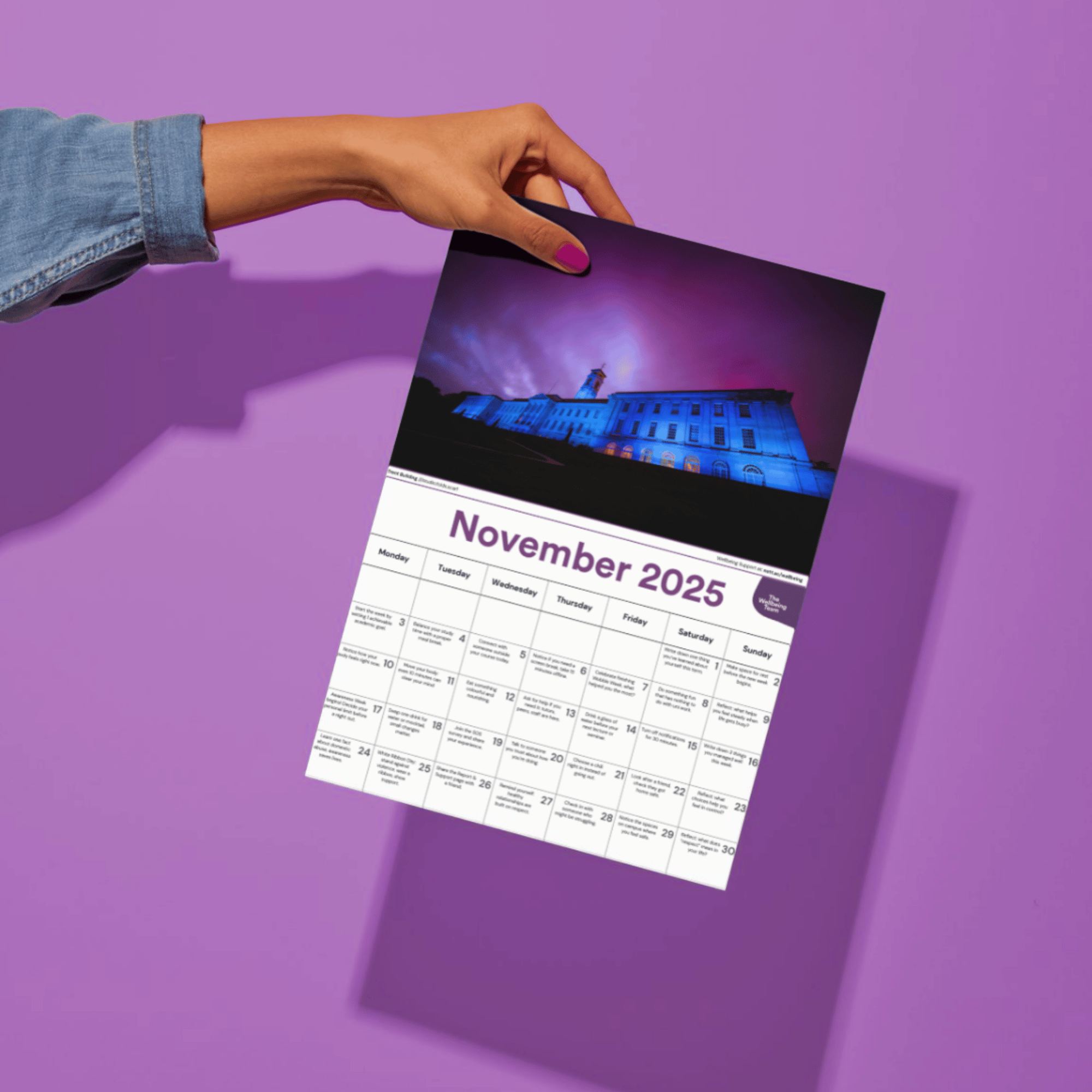
I lead the design and delivery of print and digital assets for large-scale wellbeing campaigns across multiple university campuses, balancing clarity, accessibility, and consistency at scale. I translate complex health and support information into clear, accessible design systems that work seamlessly across print, digital screens, and campaign materials.
Assets are produced in high volumes, with tens of thousands of printed items distributed annually across campuses and external partner locations, including public and third-sector organisations.
This approach ensures campaigns are immediately recognisable, trusted, and easy to engage with, supporting sustained uptake and effective partner collaboration, and is designed for long-term reuse across campaigns.
Website
management
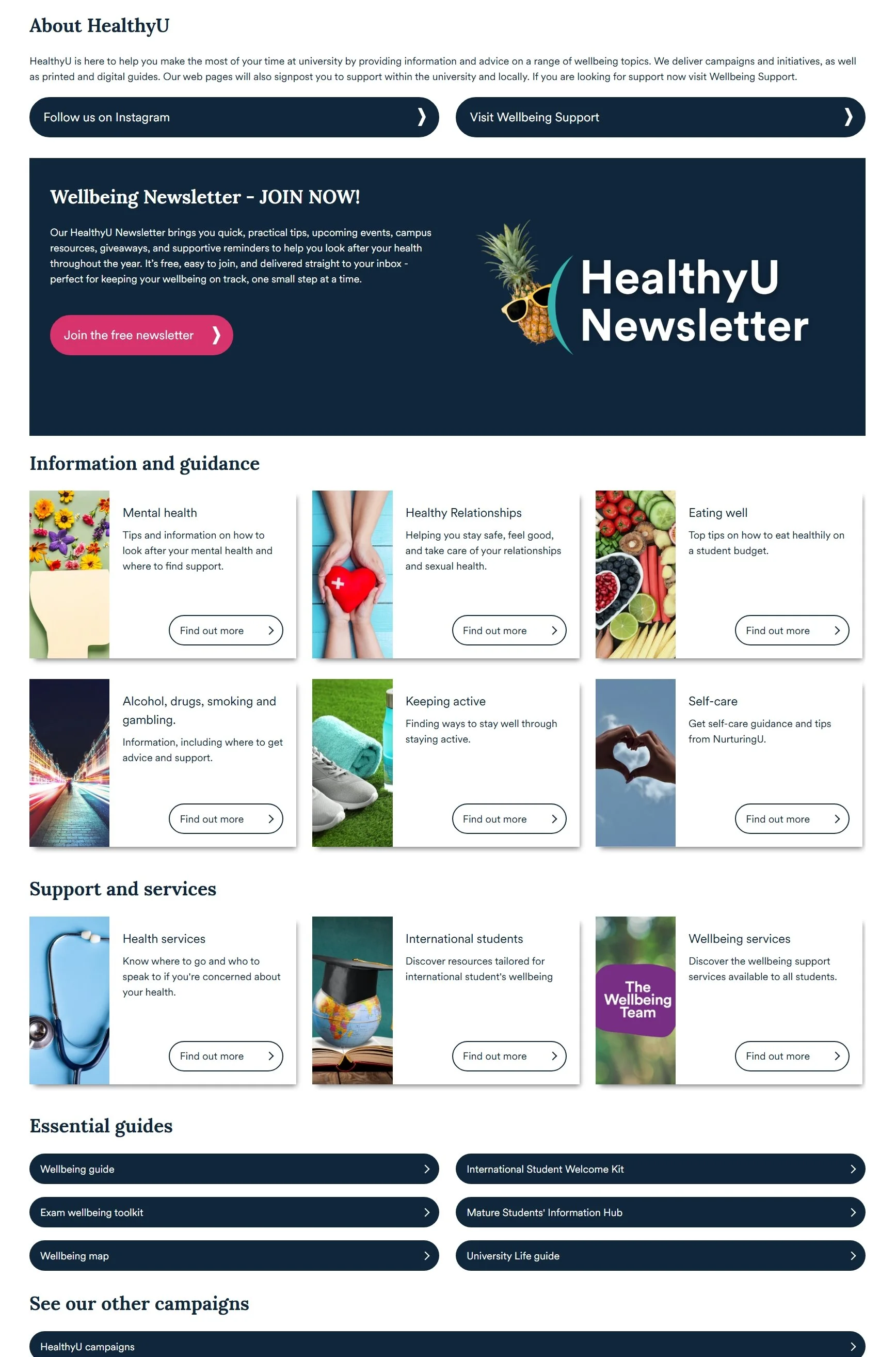
I’m responsible for the ongoing management and development of a high-traffic wellbeing website, treated as a live service that is continuously updated to reflect new campaigns, resources, services, partnerships, and events.
Working within the University of Nottingham’s established brand and governance frameworks, I ensure students experience a clear, consistent journey across multiple sites, with intuitive navigation, strong information hierarchy, and accessible UX design.
The role involves writing and maintaining content across a wide range of topics, from everyday self-care to sensitive areas such as suicide, drugs, and gambling, requiring careful judgement, clarity of tone, and close collaboration with specialist teams to ensure accurate cross-signposting as services evolve.
Alongside content and UX delivery, I lead on website performance analysis, tracking traffic patterns and campaign effectiveness to understand shifts in student need, and using these insights to inform real-time decisions, including the delivery of targeted, ad-hoc wellbeing events in response to emerging demand.
Engagement
Programmes
I designed, launched, and delivered a year-long, accredited student engagement programme within the HealthyU initiative, HealthyU Champions, embedding student voice directly into wellbeing campaign delivery and development.
The programme recruited and supported 22 student volunteers and was built around two core pillars: monthly training sessions focused on learning, networking, and idea development, and hands-on involvement in campaign delivery, events, and creative project work.
Participants were supported to design and deliver their own wellbeing initiatives aligned with their interests, resulting in high-impact projects such as facilitated craft workshops with counselling staff, interactive poster campaigns, and student-led digital engagement formats, all of which contributed to increased reach and authenticity of wellbeing messaging.
Alongside delivery outcomes, the programme provided valuable insight into student needs and behaviours while enabling me to line-manage and mentor a large volunteer cohort, supporting participants to develop skills, explore career pathways, and translate their involvement into meaningful professional experience.
Delivered during the 2024–25 academic year, the programme became a key component of the wider wellbeing engagement strategy, strengthening both institutional delivery and student ownership.